A story about art history.
A few weeks back, a good friend invited me to join him on a quest to learn French, so I said, “Sure!”—as you would. I suggested, instead of learning a bunch of French words, how about we learn the history of art in French, so it’s more interesting? Part of the deal was me proving to myself I could put an e-learning package together in Adapt, a great tool I’ve known for years but never got to properly use until now.
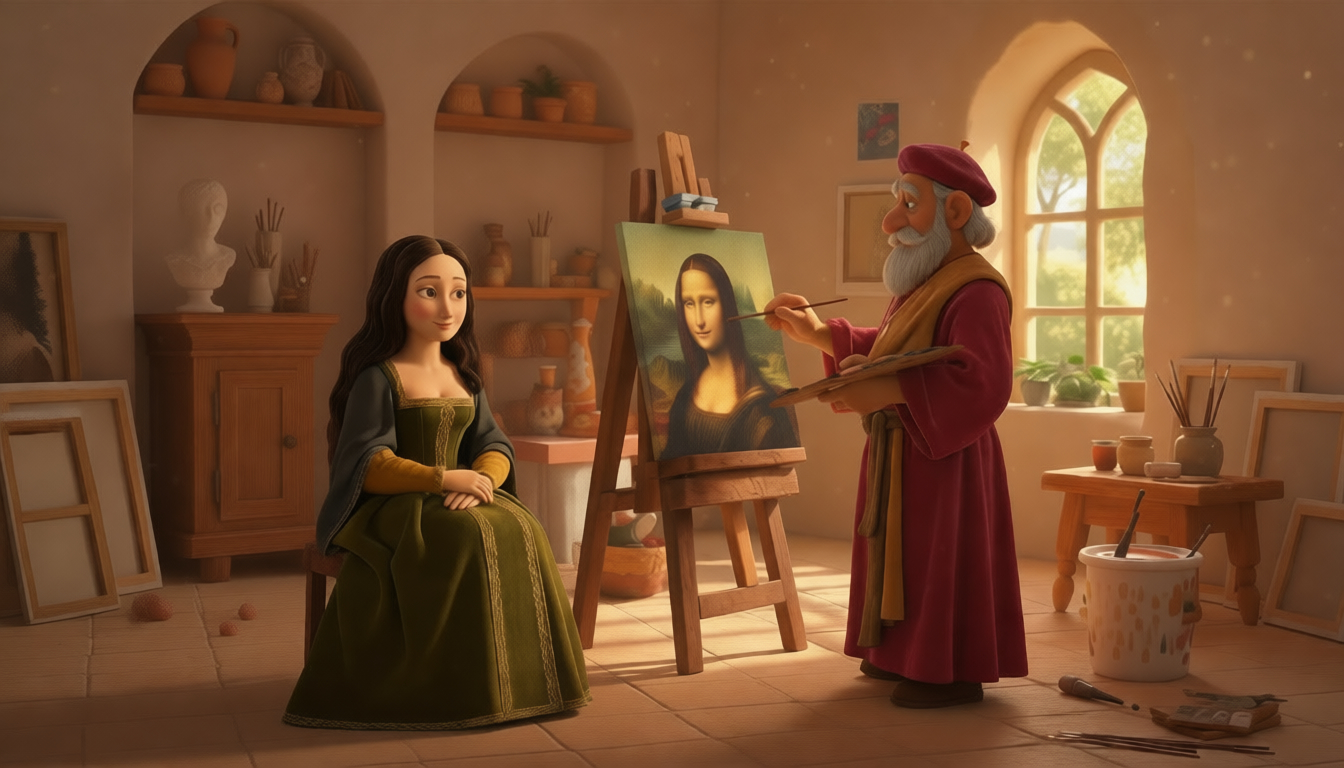
A few prompts down and bam! The bot got it just right.
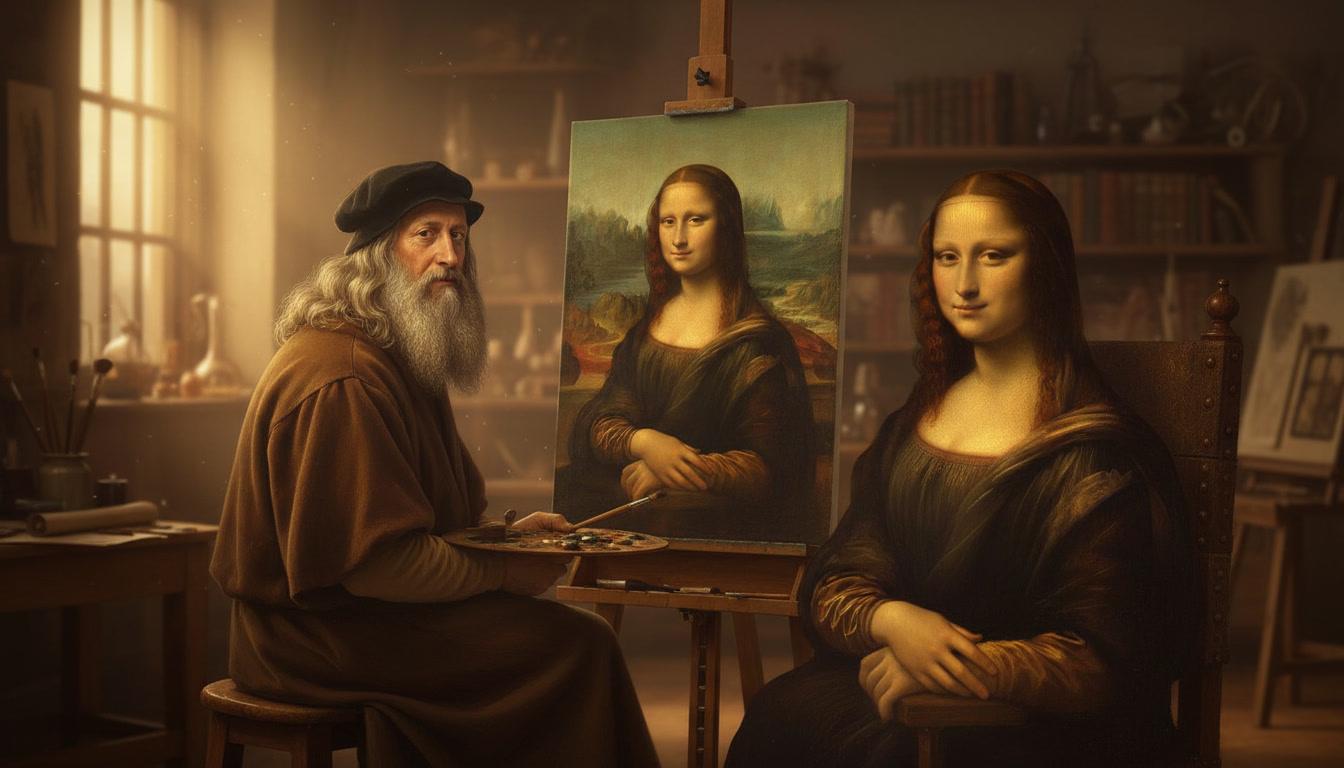
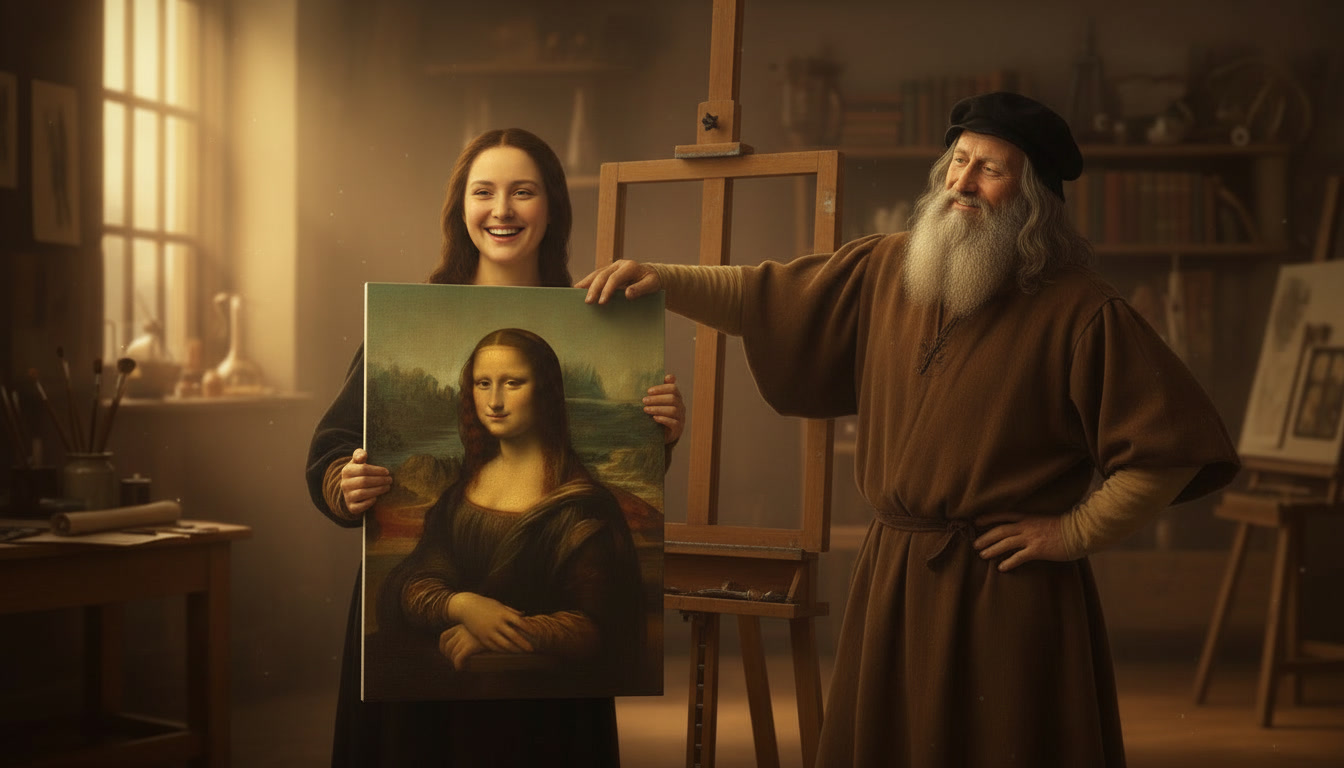
It wasn’t quite the case with Leonardo and La Gioconda above. With this one I started with Consistent Character and ran the prompt about five times, and it was close but not quite there. So I took it to ChatGPT: no luck. Tried Gemini: same, no luck. Took it to Gwen, and it worked in the second iteration. Sounds painful, but that was actually a few minutes. There it was, Leonardo painting the Mona Lisa. Just like that—type, type, click, done.
The damn bot draws way better than I ever could. And fast!
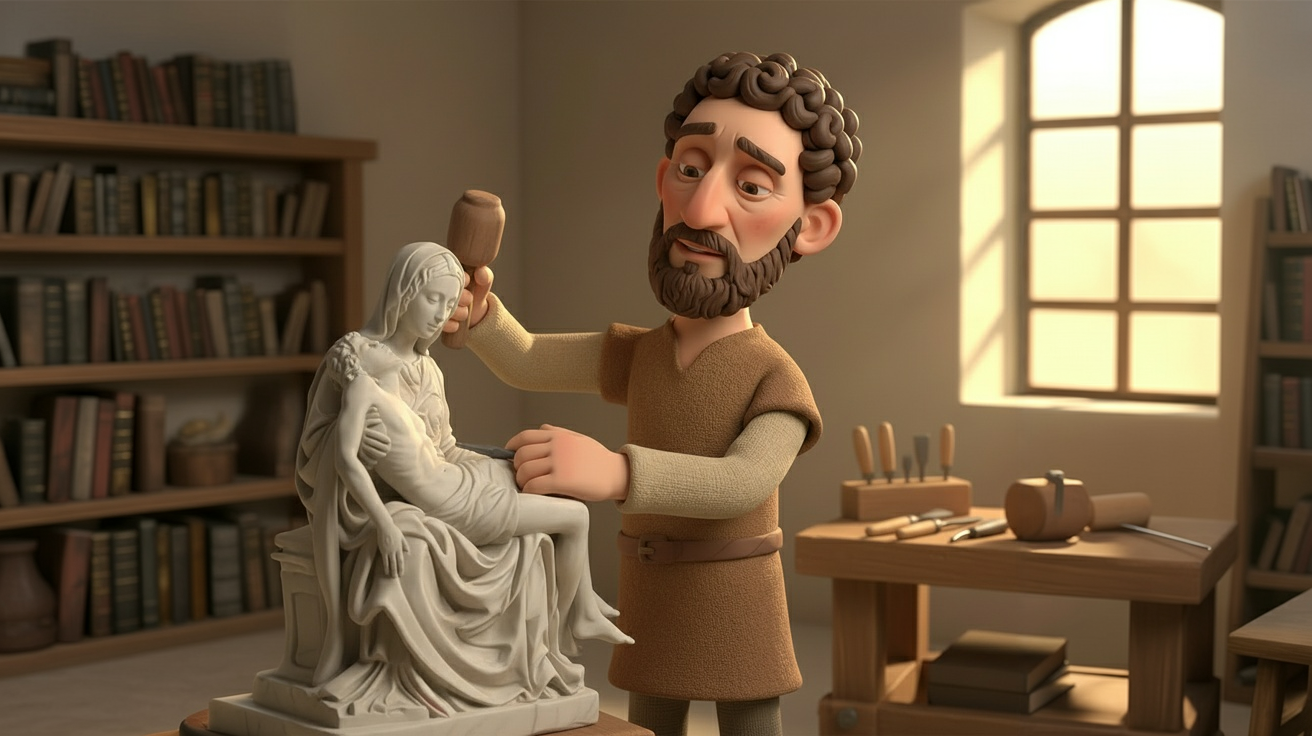
History of Art (from the history lens)
I didn’t want a training where you see a bunch of information, some paintings with their authors, dates, locations, etc. That’s purely data, and we don’t learn like that. We learn better when we can make connections. So, my approach was to look in the history and learn the forces behind the canvas.
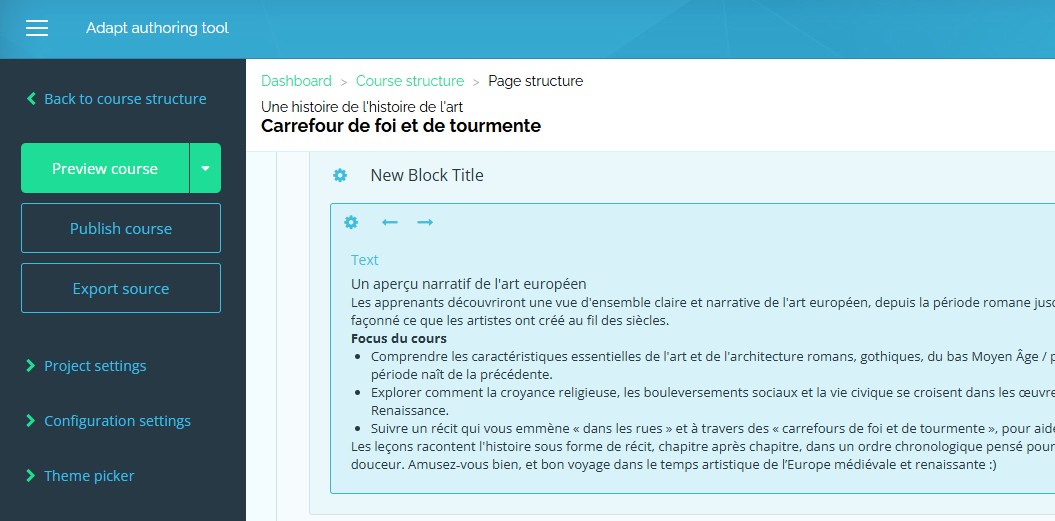
Adapt framwork – l’histoire de l’art
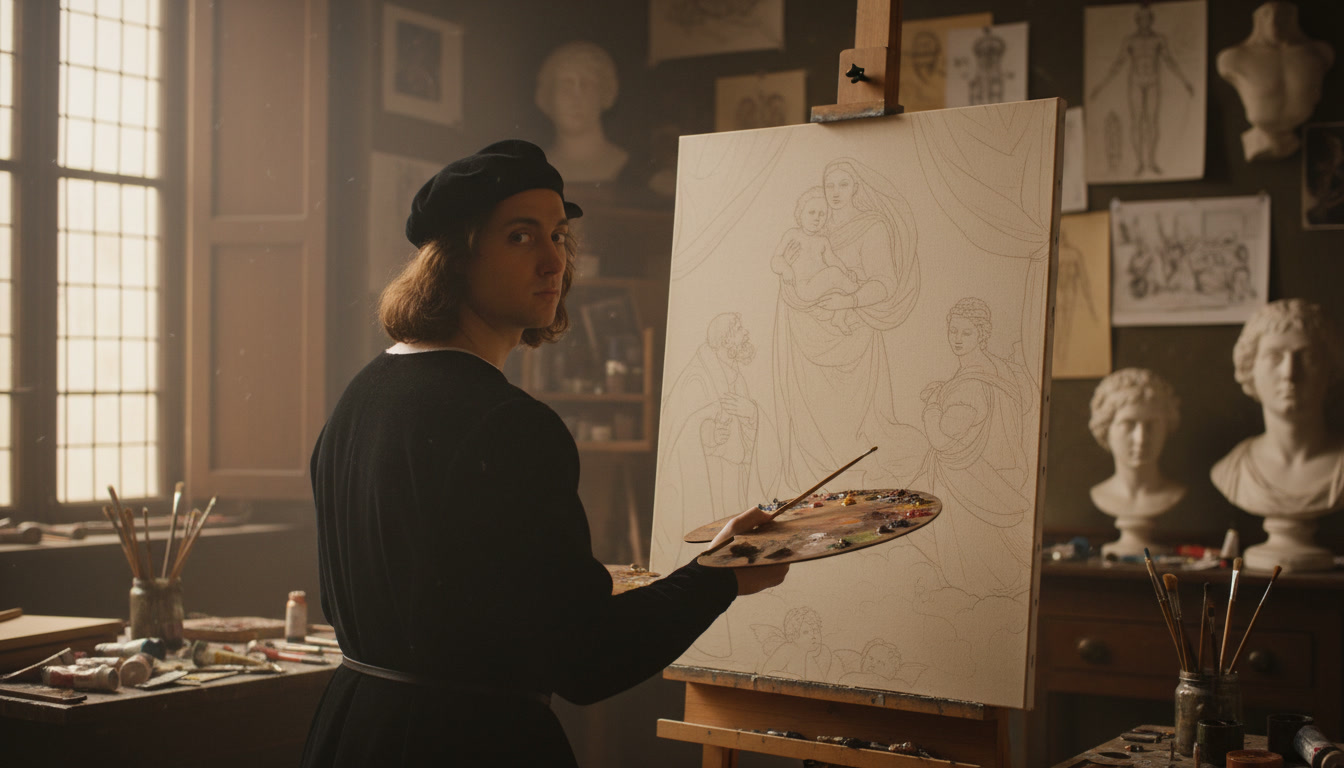
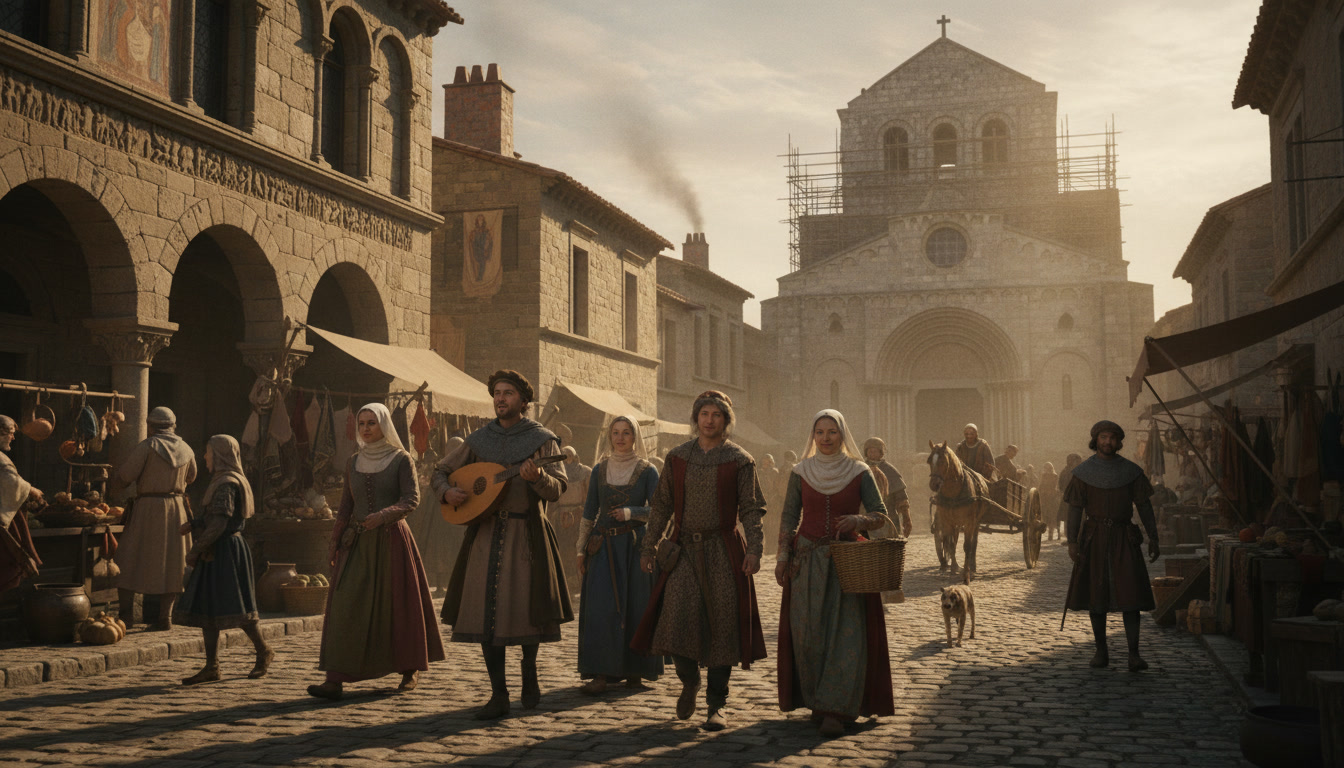
For instance, why does the Romanesque architecture seem so bleak and simple? Why do the churches look like fortresses? It’s because quite often they needed to act like one. The violence was rampant and the raids happened often, so the churches had really thick, unshakable walls. They were there to offer protection. That is the kind of information that helps you understand what drove the artists to do what they did, e.g., power shifts, war, plague, etc. Why did Raphael paint so many religious pieces? Because a lot of them were commissioned by the pope and funded by the Vatican, that’s why.
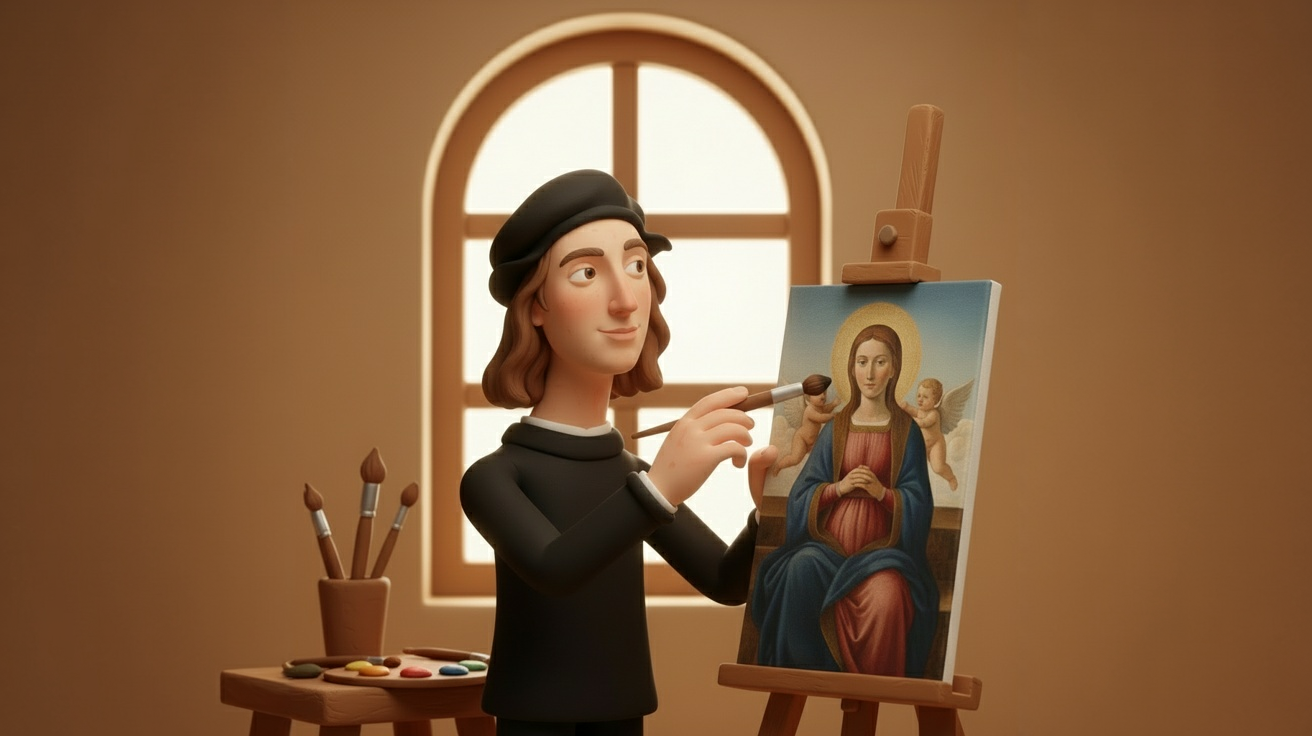
Raphael didn’t break rules – he perfected them.
A less cartoony version was on the list
For kids (and for me), cartoon characters make learning more fun. They talk to you; they’re funny, quirky and yet somewhat believable – they were born to represent an idea, and they deliver it. Yet, there are some people that will not engage with learning if it doesn’t feel real. I’ve seen stakeholders scoff at storyboards because the characters were fictitious, such as superheroes or aliens, even though the learning material was solid.
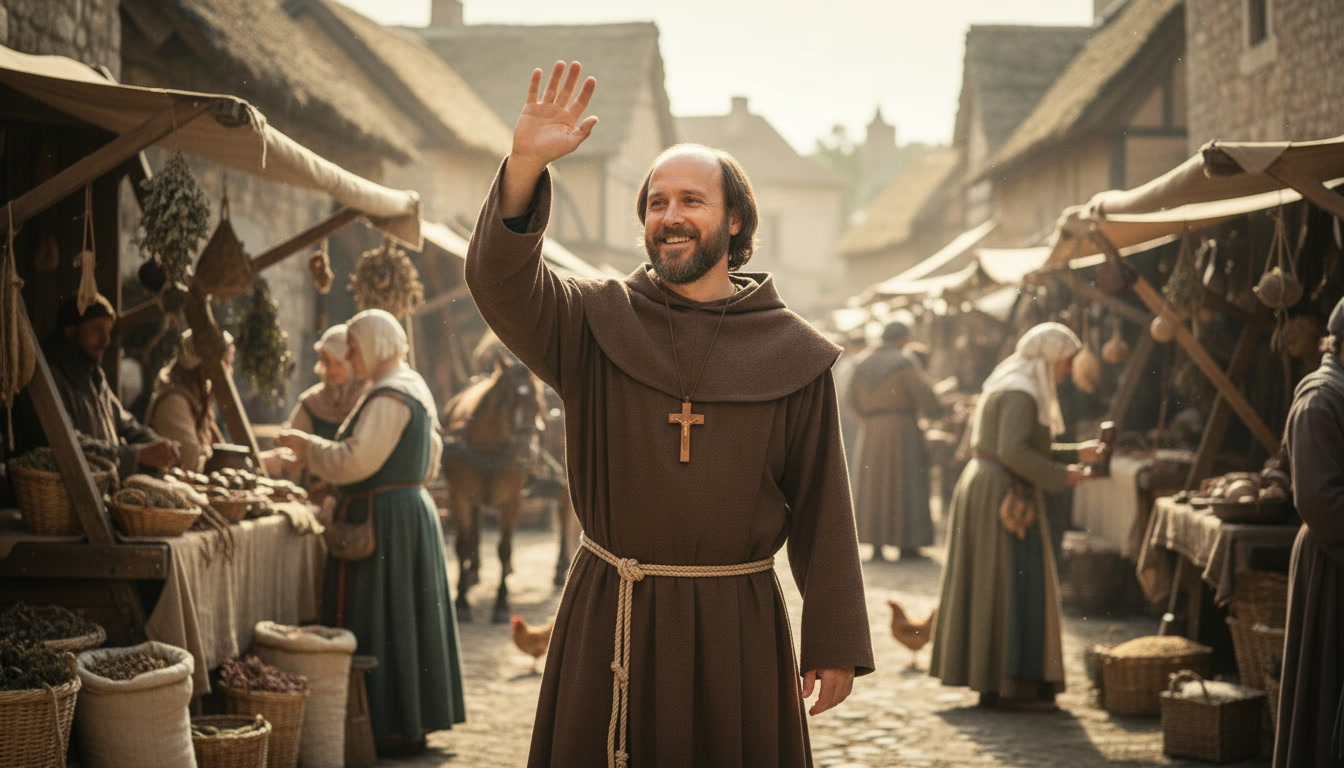
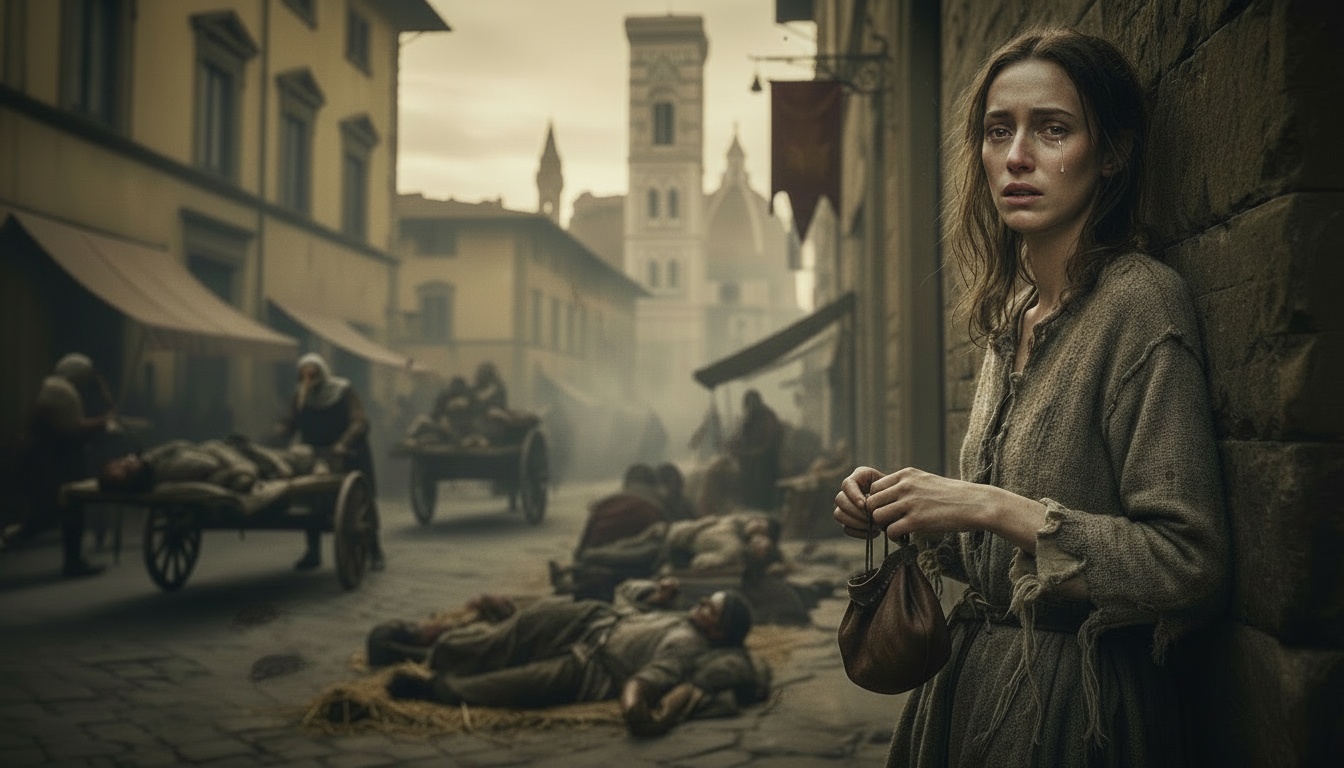
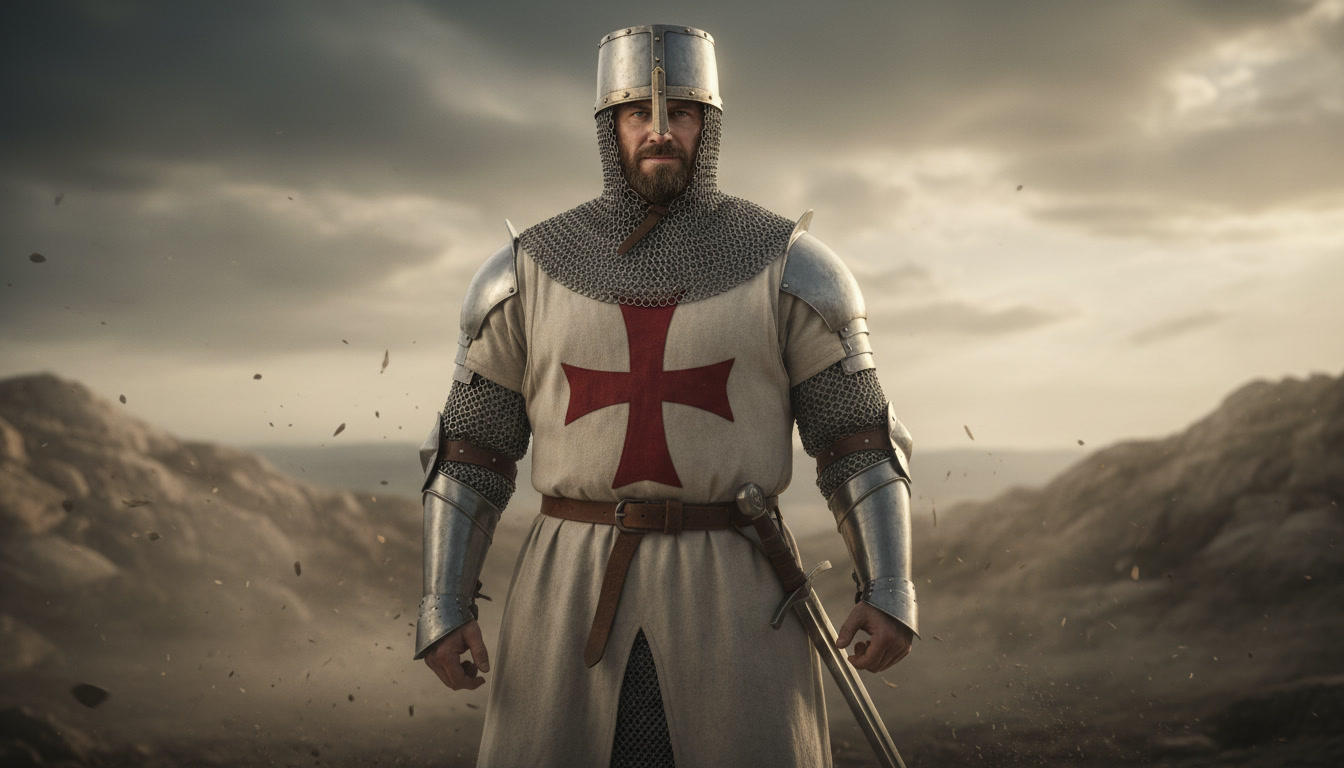
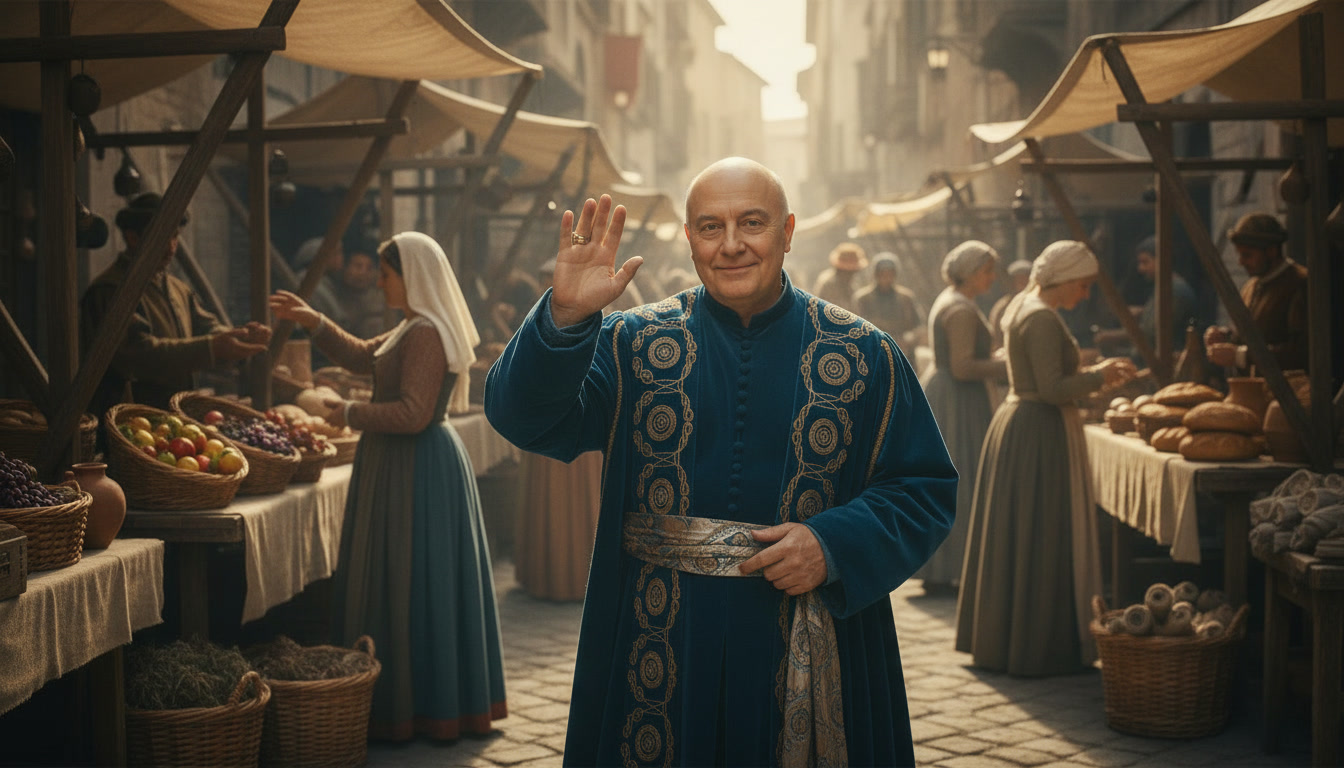
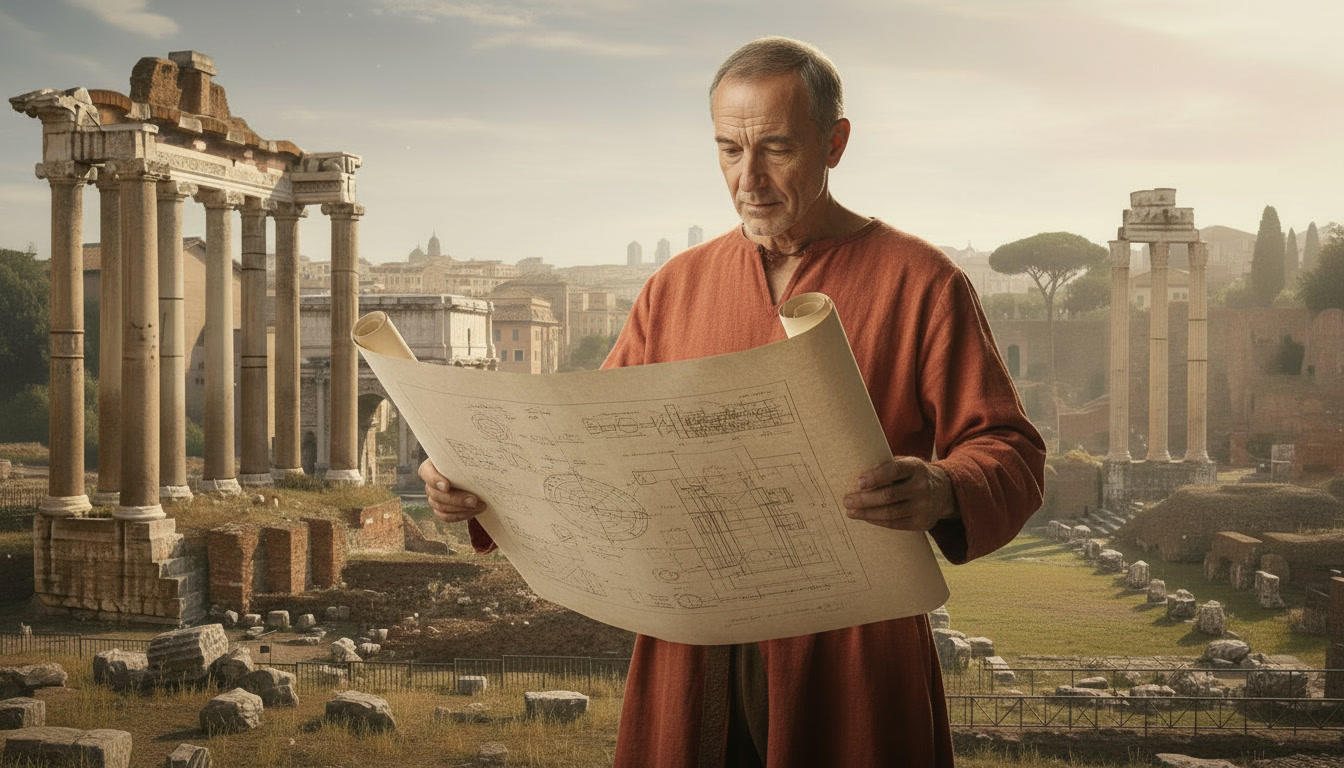
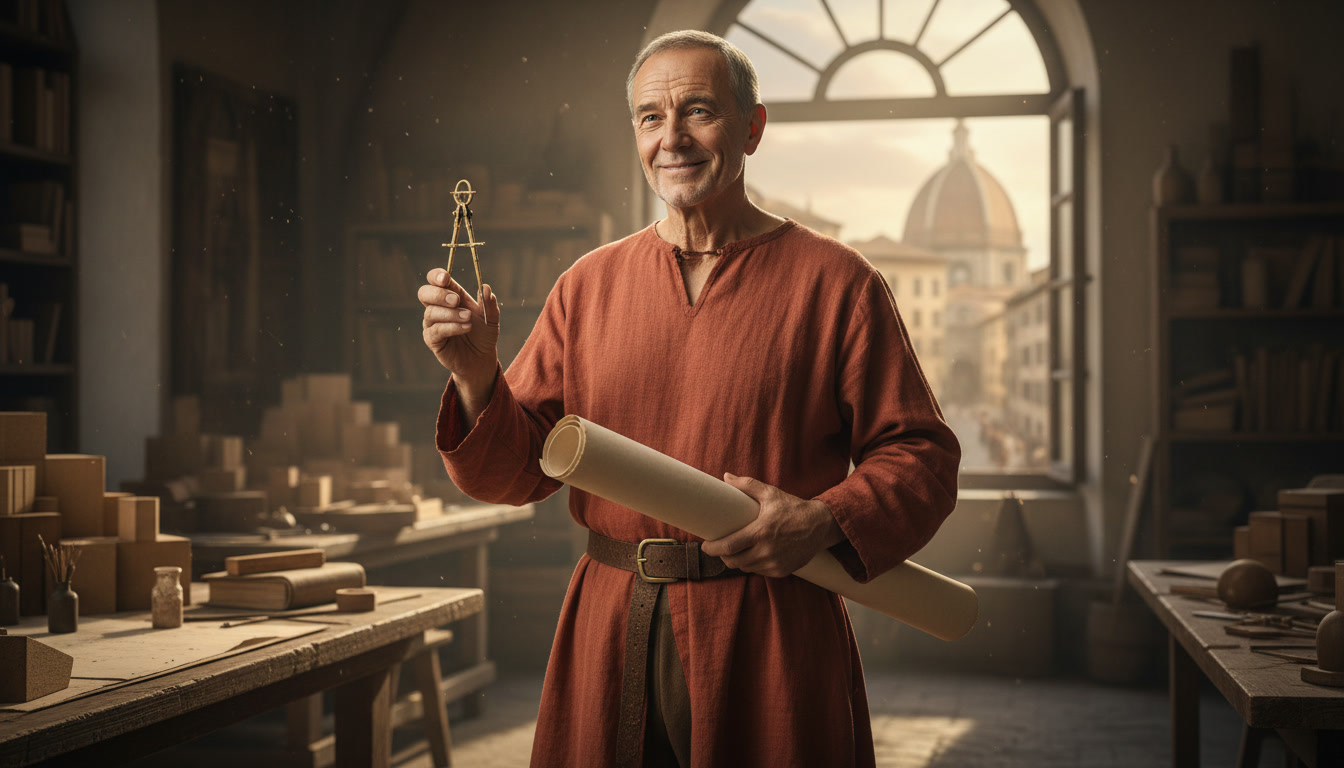
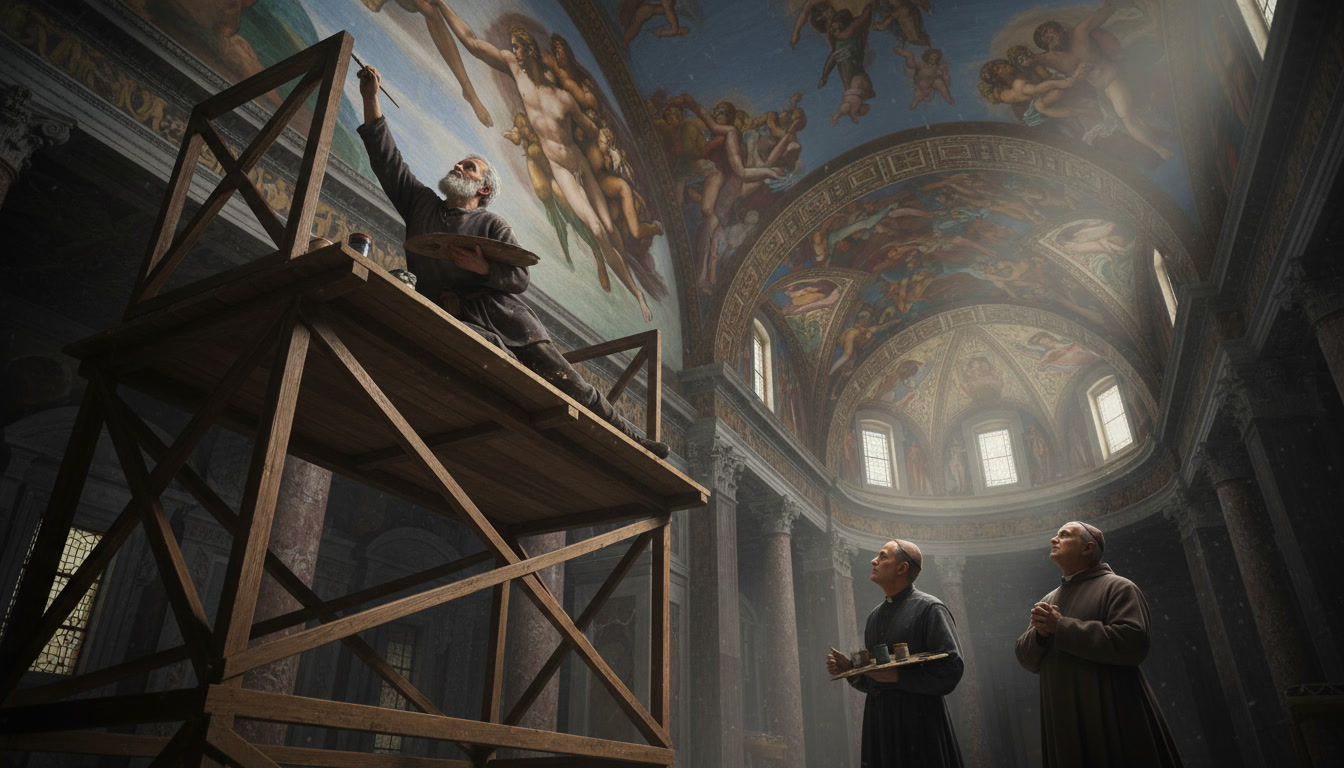
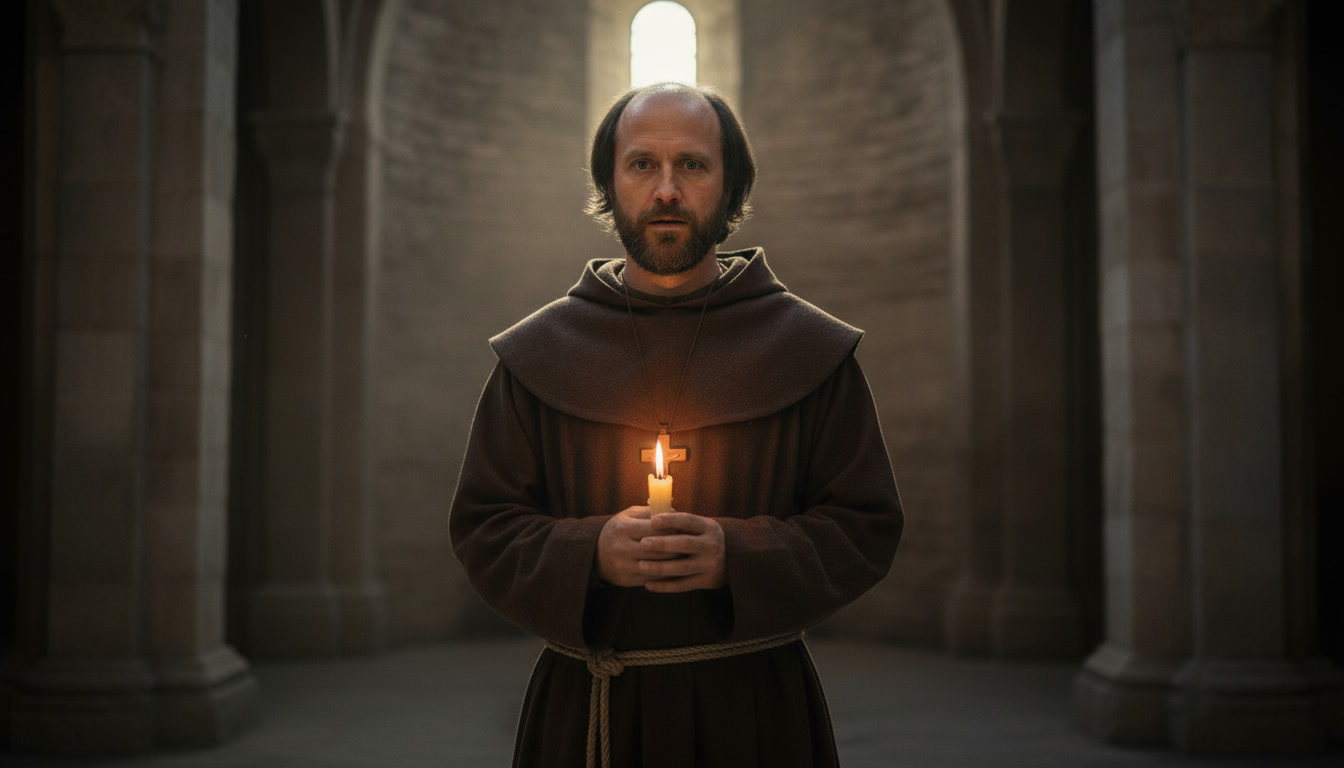
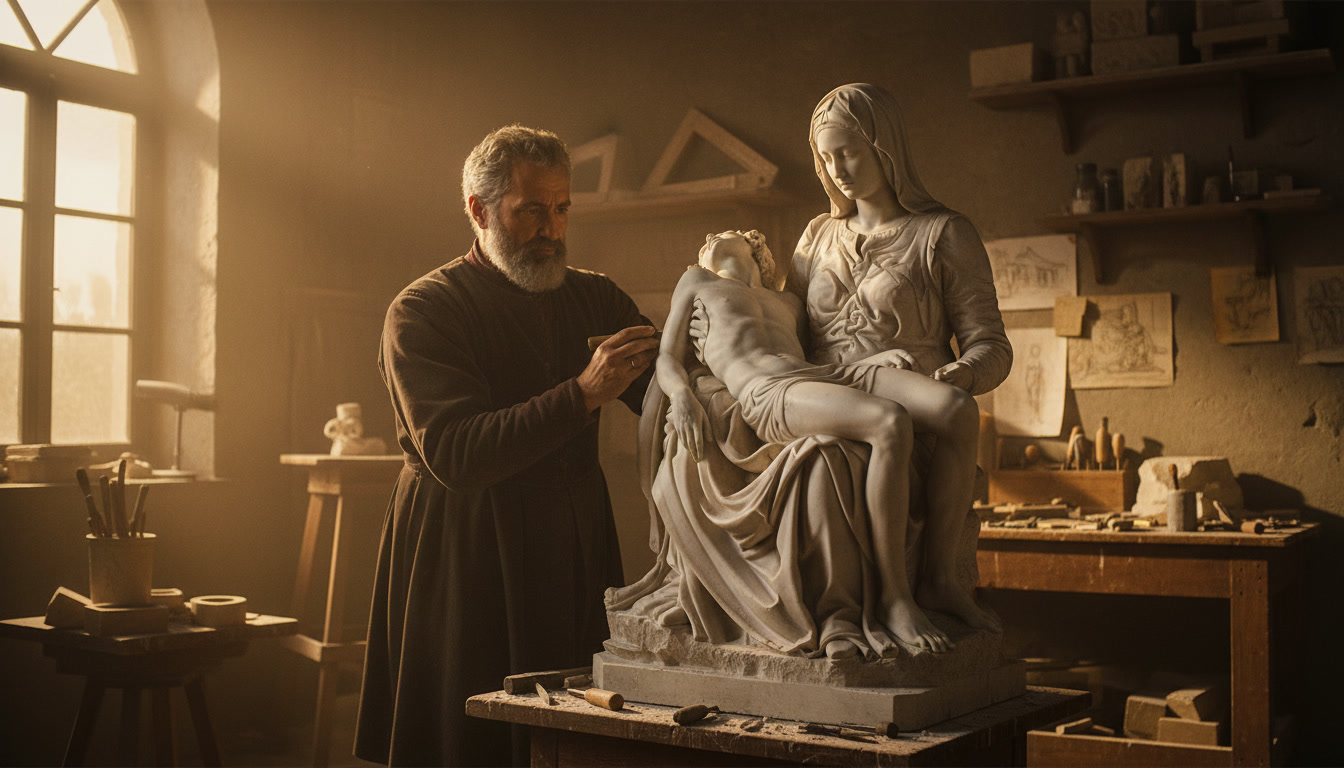
With that in mind, I decided to make a more photorealistic version of the same illustrations I already had.
Click the images below to see them better.
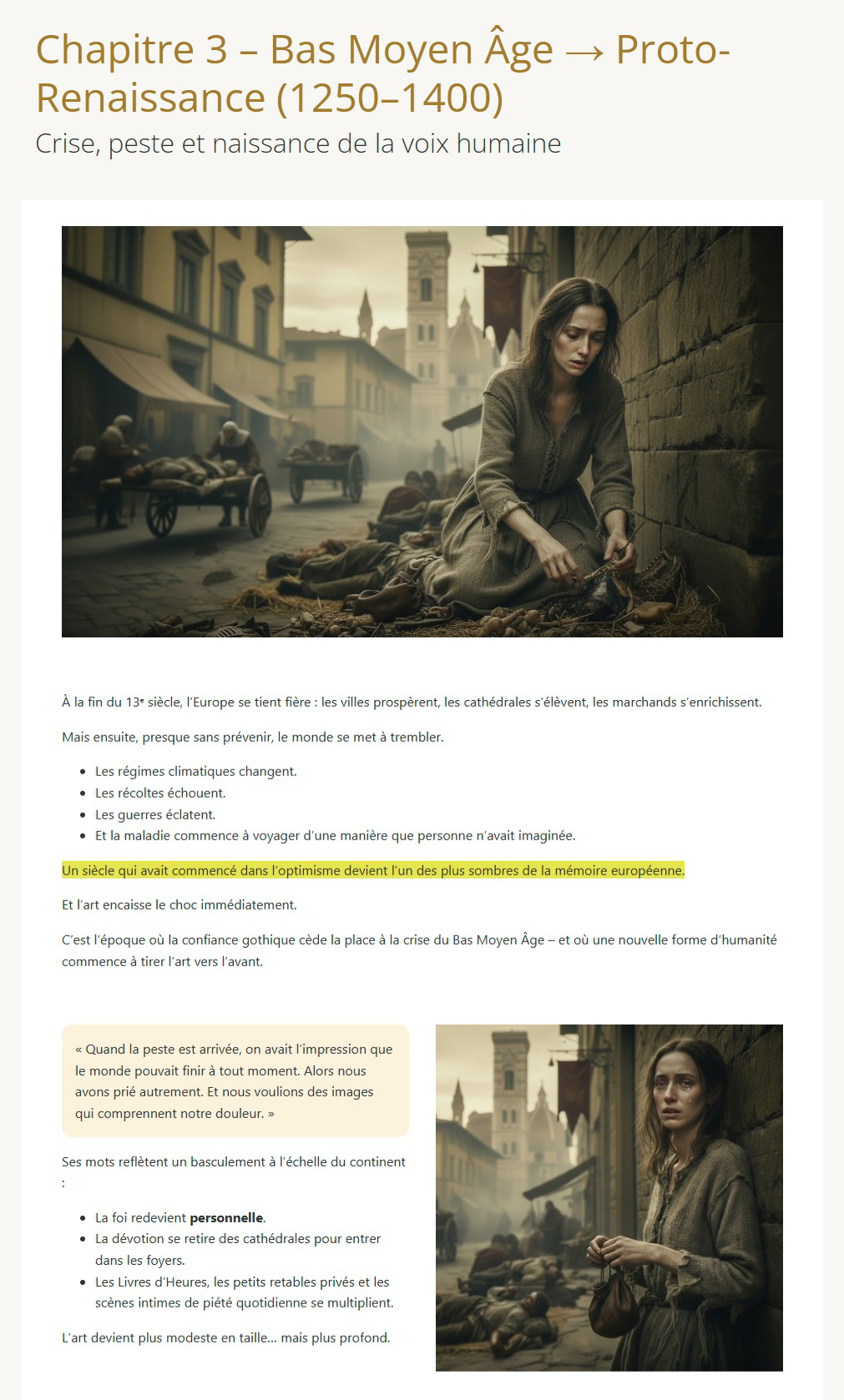
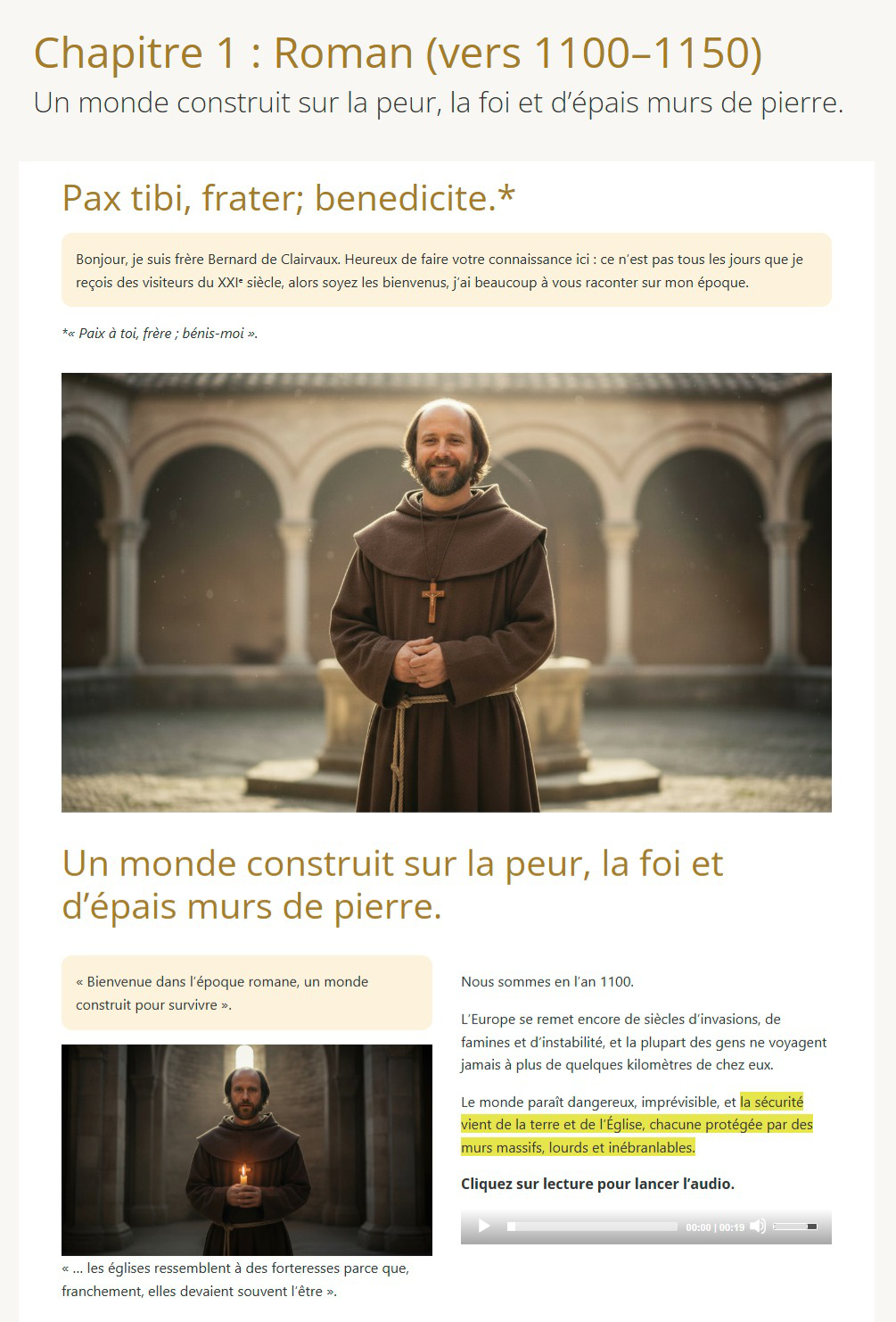
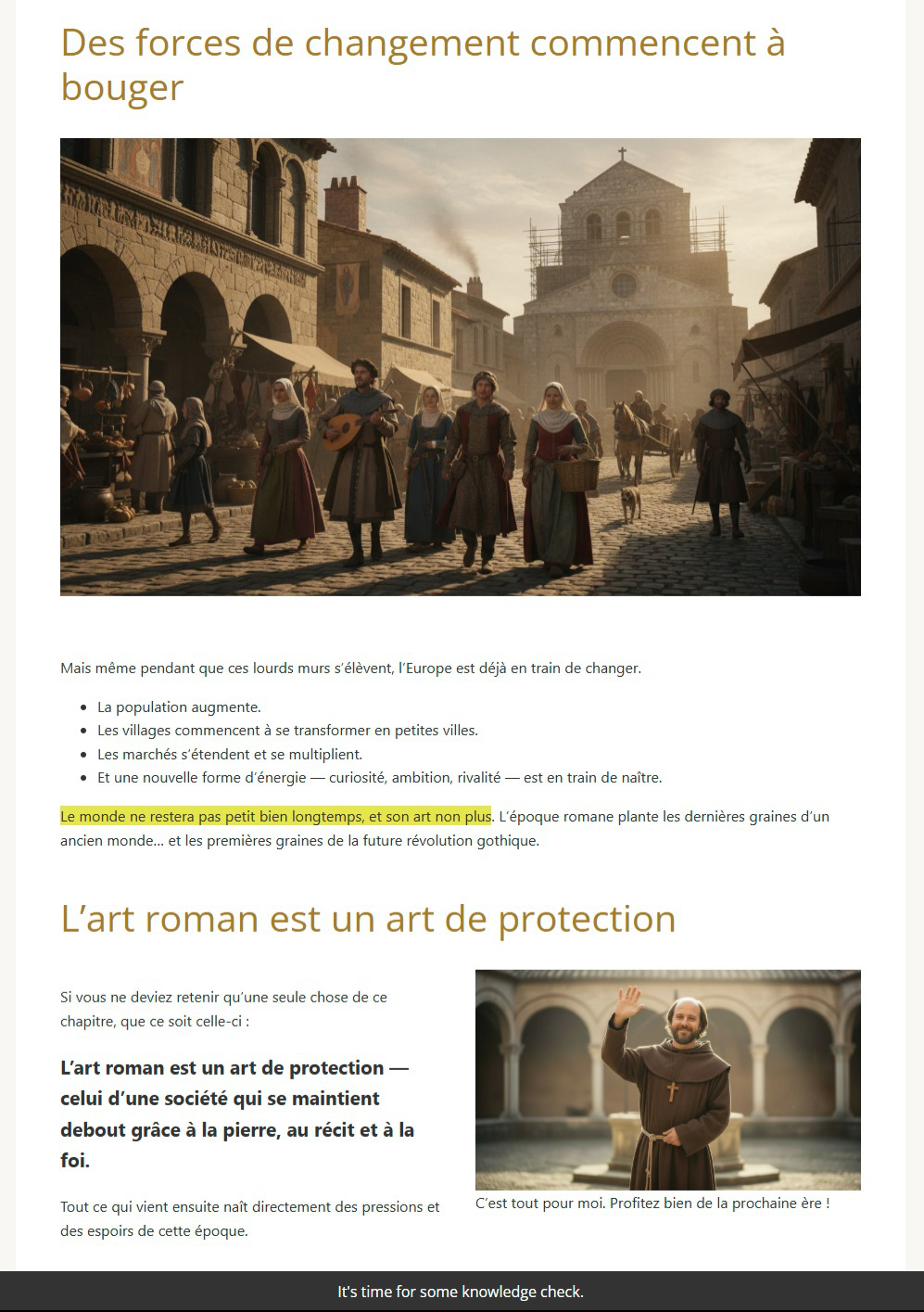
Image gallery
The images below are all AI-generated, bringing ideas to life in a way never possible before.